Make difficult work better.

We build machine learning and automation tools for industrial inspection, analysis and reporting.

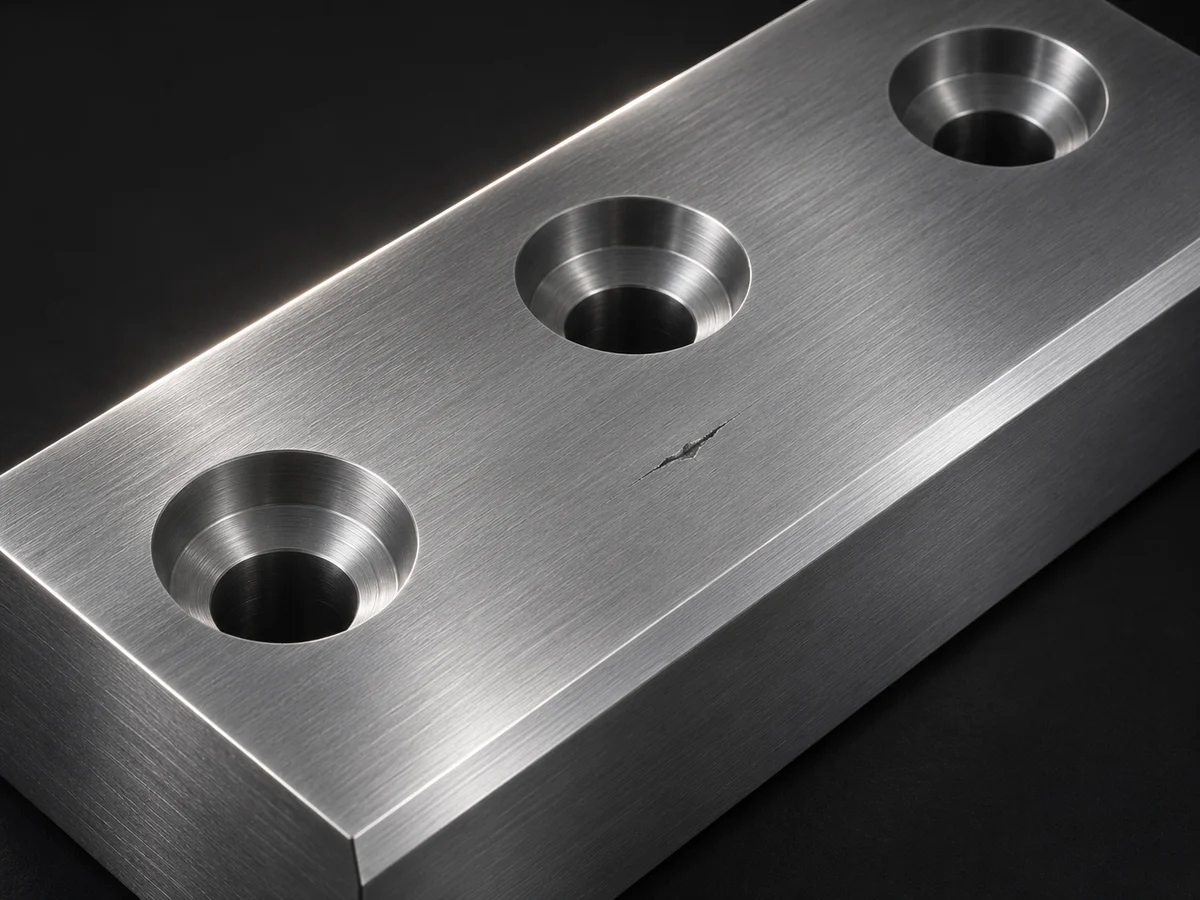
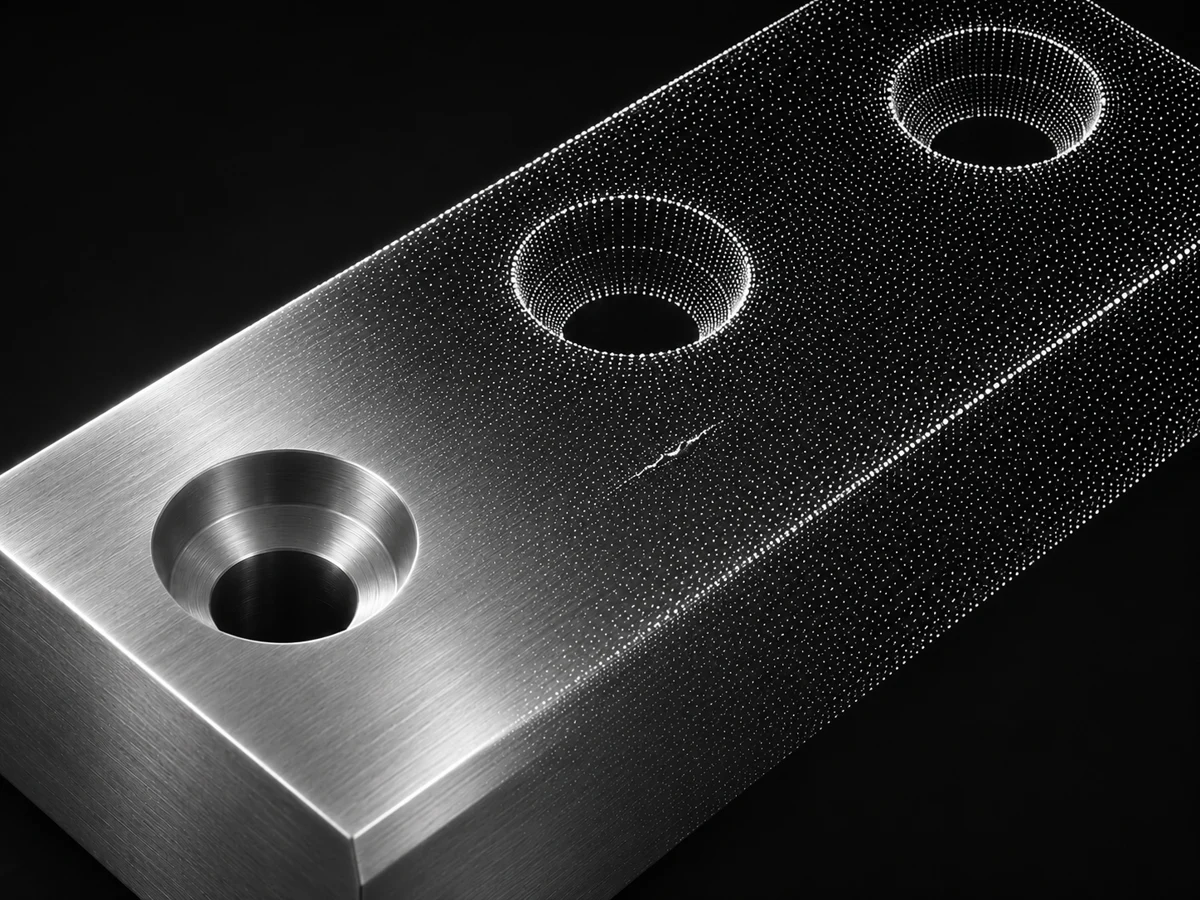
Machined metal part with a small surface flaw
Surface flaw
Machined part · Inspection illustration Flagged for review
The work

Automation should fit the way you work.

We use engineering and machine learning to find what matters in inspection and production data, then build tools that help your team act on it.

What we do

From bottleneck to working tool

  1. Find the bottleneck

    Work with the people doing the job to identify where inspection, analysis or reporting loses time and what a better result would look like.

  2. Test with real samples

    Use computer vision or data analysis on representative images, signals or records to see what works and where expert judgement is still needed.

  3. Fit it into the workflow

    Turn the result into a tool, report or system that runs on equipment near the work, depending on what the process needs.

Interactive demo

Demonstrations

Inspection-line demo

Try the timber inspection demo. Set limits for knots and other features, then see which boards pass and which are diverted. Review each flagged board yourself or let the rules route it automatically.

Run demo
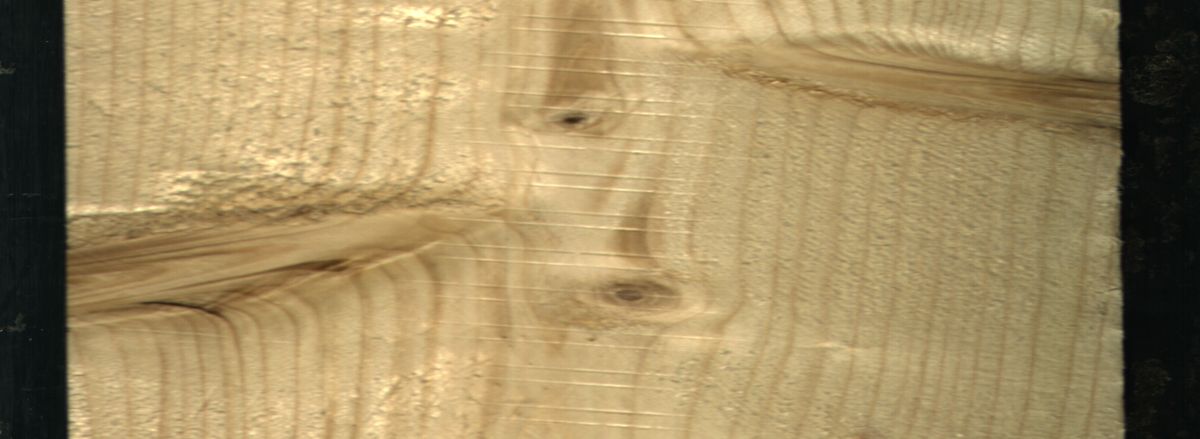
Board preview
Timber board sample
Reported size
102 mm
Threshold
60 mm
Routing decision
Divert

Board sent to the reject lane.

Research

Making sense of complex signals

Our research focuses on the same constraints industrial teams face: scarce examples, difficult signals, specialist judgement and the need for results people can inspect and trust.

Ultrasonic inspection

Unsupervised machine learning for flaw detection

Explores how flaws can be surfaced without relying on a large, perfectly labelled training set. Relevant to inspection problems where failures are rare and expert labelling is expensive.

Read the research

Ultrasonic inspection

Machine-learning object detection for phased-array testing

Compares ways to locate defects directly within complex inspection data. The practical question is how to give an inspector a precise region to review rather than another opaque score.

Read the research

Self-supervised learning

Three-dimensional ultrasonic self-supervised segmentation

Investigates learning from volumetric data with less manual annotation. Useful where every labelled example requires scarce specialist time.

Read the research

Applied inspection

Automated ultrasound data processing

Looks at reducing the manual analysis burden in large ultrasound datasets. The aim is to focus expert attention on the signals most worth investigating.

Read the research

Synthetic data

Synthetic training data for domain adaptation

Tests ways to create useful training examples when measured defect data is limited. This is a recurring constraint in manufacturing, where the events that matter may be uncommon.

Read the research

Defect characterisation

Deep learning-enabled defect localisation and sizing

Moves beyond detection to estimate where a defect sits and how far it extends. That turns a model output into information an engineering decision can use.

Read the research

Model design

Neural architecture search for ultrasonic defect detection

Examines how to find effective model designs for demanding three-dimensional inspection data. The same discipline helps balance accuracy, compute and deployment constraints.

Read the research

Engineering AI

Multi-model machine learning for automated data analysis

Combines complementary models to reduce repetitive interpretation across large datasets. It demonstrates the broader goal: making difficult engineering analysis more consistent and usable.

Read the research
Team

Machine learning for physical systems

We combine research in machine learning and computer vision with hands-on experience in industrial inspection, robotics and embedded systems.

Machine learning and computer vision

Developing models to detect and locate features and defects in images and inspection data.

Ultrasonic and eddy current inspection

Working with ultrasonic and eddy current equipment and interpreting the signals it produces.

3D cameras and imaging

Working with structured light cameras, passive and active stereo, and camera systems for difficult imaging conditions.

Industrial robotics

Working with collaborative and industrial robots and using ROS 1 and ROS 2 to integrate sensors and software.

Simulation and synthetic data

Using simulations and generative adversarial networks (GANs) to create training data where real examples are scarce.

Embedded and edge systems

Designing embedded systems and deploying machine learning models on devices close to where data is captured.

Contact

Bring us the stubborn part.

Tell us what you’re trying to inspect, analyse or automate, and where the current process gets stuck.

[email protected]